
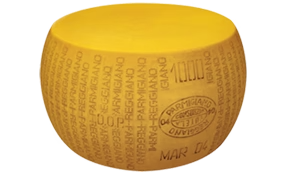






Locatelli Pecorino Romano Cheese, Cut Fresh From the Wheel
$ 32.98 - $ 99.98
Locatelli Pecorino Romano, cut fresh from the wheel
Locatelli Pecorino Romano is a firm Italian grating cheese made from 100% sheep's milk and aged for at least nine months. It has the sharp, salty flavor people expect over pasta, red sauce, soup, vegetables and many traditional Roman dishes.
Locatelli is the brand; Pecorino Romano is the type of cheese. At Frank and Sal, we cut each whole piece from the wheel when we prepare your order.
Choose the amount that fits your kitchen
- One-pound piece: A practical size for grating at home or serving in small pieces.
- Two or three-pound piece: A better choice if Locatelli is the cheese your household uses regularly.
- Five-pound piece: Intended for households and kitchens that use Locatelli frequently.
- One pound grated: Grated by Frank and Sal from the same Locatelli wheel, without added fillers or additives, and ready to use.
How Locatelli tastes and how to use it
Locatelli has a pronounced flavor, so a modest amount can make a noticeable difference in a finished dish.
- Grate it finely for cacio e pepe, carbonara, amatriciana or pasta alla gricia.
- Use it over tomato sauce, meatballs, baked pasta, pizza, soup, beans, eggs or roasted vegetables.
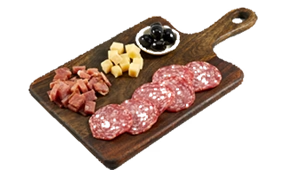
- Shave a whole piece over salads or serve small pieces with pears, walnuts or honey.
- Mix it into breadcrumbs, meatballs or stuffing when you want the cheese to remain noticeable.
Francesco's tip: Add Locatelli before adding extra salt. For cacio e pepe, grate the cheese finely and take the pan off direct heat before mixing in the pasta water. Excessive heat is usually what makes the cheese clump.
How Frank and Sal prepares and ships your cheese
We prepare your selection when the order is being packed. Whole pieces are vacuum sealed to protect the cheese and keep it from drying out during delivery.
The price shown for each selection includes shipping. The five-pound selection includes expedited shipping. Because the cheese is cut from a wheel, the shape of your piece may differ from the photographs while the ordered weight remains the same.
Locatelli or Parmigiano Reggiano?
The milk is the first difference. Locatelli Pecorino Romano is made from sheep's milk; Parmigiano Reggiano is made from cow's milk. Locatelli is the sharper and saltier of the two, while Parmigiano Reggiano usually tastes nuttier.
Choose Locatelli when the cheese needs to stand up to black pepper, tomato sauce or cured pork. Choose Parmigiano Reggiano when you want a gentler finish in risotto, pesto, soup or baked pasta. Many Italian kitchens keep both because they do different jobs.
Ingredients, allergen and storage
Ingredients: 100% pure pasteurized sheep's milk, cultures, rennet and salt.
Allergen: Contains milk.
Keep Locatelli refrigerated. Leave an unopened piece in its original sealed package. After opening, wrap the cheese well or place it in a covered container. Keep grated Locatelli tightly closed and use a clean, dry spoon.
Questions customers ask
Can Locatelli cheese be frozen?
Yes, especially if you plan to grate it or cook with it later. Wrap it tightly before freezing. The texture may become more crumbly after thawing, but the cheese can still work well in cooked dishes.
What are the small white crystals in aged cheese?
Small crystals can form naturally as a hard cheese ages. They add a slight crunch and are not a sign that the cheese has spoiled.
Can I use the Locatelli rind?
A clean hard rind can be simmered in soup, beans or sauce for flavor. Remove any paper or outside coating first and remove the rind out before serving.
See our complete Italian cheese collection or use our guide to Italian cheese when you need help choosing. For ordering questions, call Frank and Sal at 718-966-7400.