





Frank and Sal | Pecorino Cheese Guide
Pecorino Varieties | 8 Sheep's Milk Cheeses We Love & How to Use Them
Pecorino represents a traditional family of Italian cheeses crafted exclusively from 100% sheep's milk (Ovis aries). The name itself comes from "pecora," the Italian word for sheep. Originating primarily from regions like Sardinia, Lazio, Tuscany, and Sicily, the curds are pressed and naturally aged to develop varying degrees of sharpness and a distinctly savory profile. Each region has its own traditions, and differences in production, salting, and aging give these cheeses their individual character.
At a Glance
Flavor Profiles & Aging Timelines
Pecorino does not have one uniform flavor. Younger cheeses generally retain more moisture and have a softer texture, with milky, buttery notes. As they mature, they become firmer and develop a more concentrated, savory flavor.
Aging depends on the particular cheese. Fresh Pecorino Toscano DOP matures for at least 20 days, while its aged version requires at least four months. Pecorino Romano requires at least five months for table cheese and eight months for the grating style. Pecorino Romano is known for its pronounced saltiness and sharpness, whereas Pecorino Toscano is generally milder, making it a good introduction for someone who wants a sheep’s milk cheese for slicing.
Kitchen Pairings & Everyday Uses
As Pecorino ages, it loses moisture, becomes firmer, and develops a more pronounced flavor. Younger Pecorino is generally softer and milder, making it a good choice for slicing and serving with bread or fruit. Aged varieties are typically sharper and easier to grate, though many also work well as table cheeses.
Use aged Pecorino Romano in cacio e pepe, carbonara, and amatriciana, or grate it over pasta with tomato sauce. It also adds a savory touch to meatball mixtures and bowls of beans. For an antipasto plate, serve slices of Fiore di Sardegna or traditional Moliterno. Pair peppercorn Pecorino with bread and olives, or shave truffle Moliterno over eggs, risotto, or buttered pasta.
Our Kitchen Tip: Add the cheese before adjusting the salt. Pecorino Romano brings plenty of seasoning of its own, so taste the finished dish before reaching for the salt shaker.
1. Pecorino Romano
For pasta and everyday grating

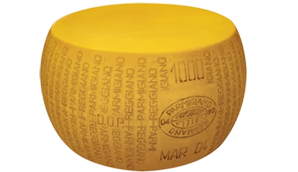
The classic sharp, salty grating cheese. Highly concentrated in flavor, it is the standard for finishing pasta, vegetables, and traditional Italian soups.
2. Sini Fulvi Pecorino Romano
For richer flavor and table eating

An authentic, premium Pecorino Romano sourced directly from the Lazio region. Known for a slightly sweeter, richer profile compared to other Romanos, making it exceptional for both grating and table eating.
3. Pecorino Pepato
For people who enjoy black pepper

Infused with whole black peppercorns during the pressing process. It delivers a sharp, savory bite perfect for shaving over roasted vegetables or eating with crusty bread.
4. Fiore di Sardegna
For slicing and sharing

A semi-firm Sardinian table cheese featuring smooth, buttery, and nutty notes. Ideal for slicing and serving alongside fresh pears or honey.
5. Traditional Moliterno
For the table or the grater

A firm, versatile cheese with a full, savory flavor profile. It bridges the gap between an antipasto table cheese and a functional grating cheese.
6. Moliterno al Tartufo
For truffle lovers

Aged sheep's milk cheese layered with deep, aromatic black truffle veins. Best shaved over risotto, eggs, or simple buttered pasta.
7. Moliterno al Vino Amarone
For a cheese board

Finished in Amarone wine, which imparts a distinctive dark rind and complex fruit aromas. Serve on a cheese board to contrast with traditional varieties.
8. Canestrato
Plain or with peppercorns

A firm Sicilian cheese shaped in traditional baskets, available plain or studded with peppercorns. Excellent for shaving over salads or serving with olives.
Common Questions
Are Pecorino and Pecorino Romano the exact same cheese?
No. Pecorino is the broader family of Italian sheep's milk cheeses, while Pecorino Romano is one specific sharp, grating member of that family. Other regional varieties include Pecorino Toscano, Pecorino Sardo, and Pecorino Siciliano.
Are Sini Fulvi and Locatelli different types of cheese?
No. Locatelli and Sini Fulvi are two distinct brand names that both produce authentic Pecorino Romano, giving customers different profile choices within the exact same cheese category.
Do all Pecorino cheeses taste salty and sharp?
No. The flavor and texture depend heavily on the style and aging time. Younger cheeses like fresh Toscano are mild and buttery, while aged Romano is highly concentrated and sharp.