





The Complete Guide to Italian Cured Meats: Salumi, Salami, Prosciutto, Mortadella & More
Frank and Sal Italian Market Food Guide
Italian Cured Meats: A Practical Guide to Salumi
Walk into a good Italian pork store and the case can be confusing if you did not grow up around this food. Prosciutto hangs beside soppressata. Mortadella looks familiar until you taste the real thing. Then somebody asks whether you want sweet or hot dry sausage.
The names are not interchangeable. Some describe a cut of meat, some a method, and others a protected specialty that can only be made in a defined part of Italy. This guide tells you what each one is, where it comes from, how it tastes and how to serve it.
What Does Salumi Mean?
Salumi is the whole family of Italian preserved meat specialties. Salami is one branch of that family. Prosciutto, mortadella, capocollo, bresaola and guanciale are salumi, but they are not salami. Soppressata and finocchiona are cured sausages, so they are both salumi and types of salami.
The Three Main Families of Italian Salumi
Whole-Muscle Cured Meats
A recognizable cut is salted and aged. Prosciutto, coppa, bresaola, speck, pancetta and guanciale belong here.
Cured Sausages
Meat and fat are chopped or ground, seasoned, packed into a casing and cured. Salami, soppressata and finocchiona are examples.
Cooked Salumi
Mortadella and prosciutto cotto are cooked. They are softer and milder than dry-cured meats, but they still belong in the salumi case.
Italian Cured Meats, Their Regions and How to Use Them
Italy does not have one salumi tradition. Mountain air, coastal humidity, local spices and regional habits produced very different meats. The locations below refer to the best-known traditional or protected versions; generic versions may be made elsewhere.
| Meat | Italian Home | What It Is | Flavor and Best Use |
|---|---|---|---|
| Prosciutto Crudo | Parma, Emilia-Romagna; and San Daniele del Friuli, Friuli-Venezia Giulia, are home to two famous PDO versions. | A whole pork leg salted and slowly dry-aged without being cooked. | Silky, savory and gently sweet. Slice paper-thin; serve with melon, figs, mozzarella or Parmigiano Reggiano. |
| Prosciutto Cotto | Made throughout Italy, with a strong tradition in northern Italian delis. | Whole pork leg that is seasoned and cooked rather than dry-aged. | Mild, moist and tender. Excellent in panini, antipasto or cooking. |
| Soppressata | Especially associated with Calabria; regional versions are also made elsewhere in Italy. | A coarse dry-cured pork sausage, often pressed as it cures. | Rustic, peppery and sometimes hot. Give it enough thickness to keep its firm bite. |
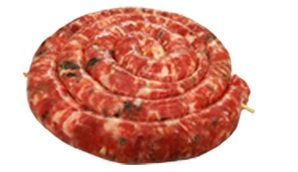
| Italian Dry Sausage | Not one protected regional recipe. Similar round cured sausages appear throughout Italy and Italian-American pork stores. | Seasoned pork and fat cured in a round casing until firm. | Sweet or hot, depending on the recipe. Good for snacking, sandwiches and antipasto. |
| Mortadella | Bologna, Emilia-Romagna, is its historic home. The Mortadella Bologna PGI production area is broader. | Finely ground cooked pork with visible cubes of white pork fat; some versions include pistachios. | Soft, fragrant and delicate. Fold thin slices into sandwiches or onto an antipasto platter. |
| Capocollo, Capicola or Coppa | Capocollo di Calabria PDO comes from Calabria; Coppa Piacentina PDO comes from Piacenza in Emilia-Romagna. | The marbled muscle running from the pork neck into the upper shoulder, cured whole. | Supple and rich, sometimes chile-hot. Slice thin so the marbled fat can soften. |
| Salami | Made across Italy. Examples include Salame Felino near Parma, Salame di Varzi in Lombardy, Milano-style salami and Napoli-style salami. | Chopped or ground meat and fat, seasoned and cured in a casing. The grind, size and seasoning change by region. | Can be mild, garlicky, peppery, fennel-scented, smoky or hot. Match the slice thickness to the diameter and firmness. |
| Finocchiona | Tuscany; Finocchiona PGI may be produced across mainland Tuscany. | A Tuscan pork salami seasoned prominently with fennel seed or fennel flower. | Aromatic rather than hot. Pair with Tuscan-style bread, aged cheese and red wine. |
| Bresaola | Valtellina and Valchiavenna in the province of Sondrio, Lombardy. | Lean beef from the leg that is salted, seasoned and air-cured. | Deep red, tender and clean-tasting. Serve very thin with arugula, shaved Parmigiano, olive oil and lemon. |
| Speck | Alto Adige or South Tyrol, the province of Bolzano in northern Italy. | Boneless pork leg that is cured, lightly smoked and aged. | Smokier and firmer than prosciutto. Pair with apples, hearty bread, aged cheese or pickled vegetables. |
| Pancetta | Made across Italy; Pancetta Piacentina PDO comes from the province of Piacenza, Emilia-Romagna. | Cured pork belly sold rolled or flat, generally without the heavy smoke of American bacon. | Rich and savory. Render it for pasta sauces, soups and vegetables; some ready-to-eat types are also sliced for antipasto. |
| Guanciale | Closely tied to Lazio, especially Amatrice and the province of Rieti, and to the cooking of Rome. | Cured pork jowl or cheek with a generous layer of flavorful fat. | Deep pork flavor. Render slowly for carbonara, gricia and amatriciana. |
| 'Nduja | Spilinga, on the slopes of Monte Poro in the province of Vibo Valentia, Calabria. | A soft, spreadable pork salume heavily seasoned with Calabrian chile. | Rich and hot. Spread sparingly on toasted bread or melt a little into tomato sauce. |
| Culatello di Zibello | Zibello and nearby towns along the Po River in the province of Parma, Emilia-Romagna. | The prized inner portion of the pork leg, deboned, enclosed and long-aged. | Delicate, fragrant and concentrated. Serve alone in very thin slices. |
| Lardo di Colonnata | Colonnata, a marble-quarry village near Carrara in Tuscany. | Pork back fat seasoned and matured in marble basins. | Silky, rich and aromatic. Serve in whisper-thin slices on warm crostini. |
What DOP/PDO and IGP/PGI Mean
These marks protect a geographical name, not an entire category. Prosciutto is a broad style; Prosciutto di Parma PDO and Prosciutto di San Daniele PDO are controlled products tied to defined places and production rules. The same distinction applies to names such as Mortadella Bologna PGI, Finocchiona PGI, Bresaola della Valtellina PGI and Speck Alto Adige PGI.
In Italian, the labels are DOP and IGP. In English, you will often see PDO and PGI. The wording changes; the European protection does not.
Frank & Sal Cured Meats: What Is Actually Different?
Two products can sit beside each other in the case and still eat very differently. These are the distinctions that matter in our own selection.
Frank & Sal Brand Prosciutto
Our Frank & Sal Brand Prosciutto is aged for at least 18 months. Choose it sliced paper-thin for serving straight from the package, or as a solid center-cut portion if you prefer to slice it at home.
Soppressata vs. Italian Dry Sausage
Both are dry-cured sausages, and both of ours are available sweet or hot and cured for 60 to 75 days. The clearest difference is their shape and texture.
Frank & Sal Soppressata
Our Frank & Sal Brand Soppressata is pressed while curing. That produces its dense shape, firm bite and rustic appearance.
Frank & Sal Dry Sausage
Our Frank & Sal Brand Italian Dry Sausage cures in a traditional round casing instead of being pressed.
We also carry both ALPS styles. ALPS Soppressata has the substantial character expected of soppressata, while ALPS Dry Sausage has a thinner profile and finer texture.
Cooked and Ready-to-Serve Favorites
Our Prosciutto Cotto Alta Qualità is imported from Italy, made from whole pork leg and slow-steamed for a soft, clean, non-smoky flavor. Our Rovagnati Mortadella with Pistachios is available whole or sliced. For Roman pasta dishes, see our Guanciale with Black Pepper.
The Differences People Ask About Most
Salumi vs. Salami
Salumi is the category; salami is a cured sausage within it. Prosciutto and mortadella are salumi but not salami. Soppressata is both.
Prosciutto Crudo vs. Prosciutto Cotto
Crudo means raw, but prosciutto crudo is salted and dry-aged until ready to eat; it is not fresh raw pork. Cotto means cooked. Crudo is concentrated and silky, while cotto is soft, moist and mild.
Mortadella vs. Bologna
Mortadella is an Italian cooked pork specialty with visible pieces of white fat and a delicate aroma. American bologna grew from related sausage traditions but is usually finer and more uniform. They are not the same product.
Capocollo, Capicola and Coppa
The names reflect regional language and Italian-American usage. They generally refer to the same neck-to-upper-shoulder area of the pig, but seasoning, casing and aging vary. Capicola is the familiar American spelling and pronunciation; capocollo and coppa are common Italian names.
Pancetta vs. Guanciale
Pancetta comes from pork belly. Guanciale comes from the jowl or cheek and has a different balance of fat and meat. For traditional carbonara, gricia and amatriciana, guanciale is the characteristic choice.
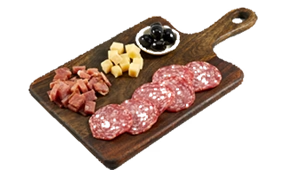
How to Build an Italian Antipasto or Charcuterie Board
You do not need ten meats and six cheeses. A smaller board with real contrast is easier to eat and usually tastes better.
A Simple Formula That Works
- One delicate meat: prosciutto crudo or bresaola.
- One firm cured sausage: soppressata, Italian dry sausage or another salami.
- One soft, rich meat: mortadella or prosciutto cotto.
- Optional fourth meat: smoky speck, marbled capocollo or spicy 'nduja.
- Two cheeses: one firm and aged, one milder or creamier.
- Two bright accents: olives, roasted peppers, artichokes or pickled vegetables.
- Something crisp: taralli, crostini or good Italian bread.
Frank & Sal Tip: Fold prosciutto and mortadella loosely instead of laying the slices flat. They are easier to pick up, do not stick into one heavy pile and make a modest amount look generous.
Useful Meat, Cheese and Accompaniment Pairings
| Meat | Cheese | Add Something Bright or Sweet |
|---|---|---|
| Prosciutto or Bresaola | Parmigiano Reggiano or fresh mozzarella | Melon, figs, pears, arugula or lemon |
| Soppressata or Dry Sausage | Pecorino Romano or aged provolone | Olives, roasted peppers or pickled vegetables |
| Mortadella or Cotto | Mild provolone or fresh mozzarella | Pistachios, artichokes or crusty bread |
| Speck or Capocollo | Parmigiano Reggiano or provolone | Apples, pears, cornichons or roasted peppers |
| 'Nduja | Ricotta, burrata or fresh mozzarella | Crostini, honey or sweet roasted peppers |
For more detail on the cheeses themselves, see our Complete Guide to Italian Cheese. You can shop meats, cheeses and accompaniments together in our Italian Charcuterie Collection.
How Much to Buy, How Thin to Slice and When to Serve It
How Much Cured Meat Per Person?
- Before a full meal: 2 to 3 ounces per person.
- For a cocktail or grazing spread: 3 to 4 ounces per person.
- When the board is the meal: 4 to 6 ounces per person, plus cheese, bread and vegetables.
Those amounts are totals, not amounts for each meat. For eight people before dinner, 16 to 24 ounces divided among three meats is usually enough.
How Thin Should Each Meat Be Sliced?
- Paper-thin: prosciutto crudo and bresaola.
- Thin enough to fold: mortadella, prosciutto cotto, capocollo and speck.
- Thin to medium: Italian dry sausage, depending on its diameter.
- Slightly thicker: coarse soppressata, so its firm texture does not disappear.
A thick slice of prosciutto can feel chewy. Soppressata shaved nearly transparent loses the bite that makes it enjoyable. One slicer setting does not suit every meat.
Should Italian Cured Meats Be Served Cold?
Keep them refrigerated, but do not serve them ice-cold if you can help it. Take out only what you plan to eat and let it lose the refrigerator chill for about 15 to 20 minutes. Prosciutto becomes silkier, mortadella more fragrant and the fat in dry sausage less waxy. Return leftovers to the refrigerator promptly.
How to Store Italian Cured Meats
Frank & Sal recommends refrigerating cured meats after they arrive. Product moisture, casing and packaging vary, so follow the label on the specific item rather than assuming every salume has the same shelf life.
- Freshly sliced meats: Keep prosciutto, cotto, mortadella, capocollo, bresaola and other slices tightly wrapped. Air quickly dries their edges and changes the texture.
- Soppressata and dry sausage: Refrigerate after arrival. After cutting, cover the exposed end well before returning the sausage to the refrigerator.
- Vacuum-sealed portions: Refrigerate after arrival. Once opened, rewrap the unused portion tightly.
- For best quality: Buy an amount that matches your plans. Salumi is at its best when its aroma, fat and texture are still fresh.
Frequently Asked Questions About Italian Cured Meats
Is salumi the same thing as charcuterie?
Not exactly. Salumi refers to Italian preserved meat specialties. Charcuterie is a French term that Americans now commonly use for a board of cured meats, cheeses and accompaniments.
Is soppressata a salami?
Yes. Soppressata is a style within the broader salami family. Its coarse grind, seasoning, shape and pressing distinguish it from many round salami and dry sausages.
Are all Italian cured meats made from pork?
No. Most famous salumi are pork, but bresaola is made from beef. Other regional specialties may use goose, wild boar or other meats.
Does prosciutto crudo need to be cooked?
No. Although crudo means raw, commercially prepared prosciutto crudo is salt-cured and aged as a ready-to-eat product. Serve it thinly sliced and follow the storage directions on the package.
Is mortadella cooked?
Yes. Mortadella is a cooked Italian pork salume. That is why its texture is soft and smooth rather than firm and dry like salami.
Should you remove the casing from salami or soppressata?
It depends on the product. Some natural casings are edible but may be too tough to enjoy; some outer coverings are not edible. Check the label and remove the casing when instructed or whenever it is hard, papery or unpleasant to chew.
Should soppressata and dry sausage be refrigerated?
For home storage, Frank & Sal recommends refrigerating both. After opening or slicing, wrap the unused portion well and return it to the refrigerator.
Enjoy Our Italian Food Guides?
If you find Frank & Sal's guides useful, add Frank & Sal Italian Market as a Preferred Source on Google.
Add to Preferred SourcesBuild an Italian Antipasto Board at Home
Start with three genuinely different meats, add two cheeses, something briny and good bread or taralli. Give every ingredient some room and let the food do the work.
Browse Our Charcuterie Collection